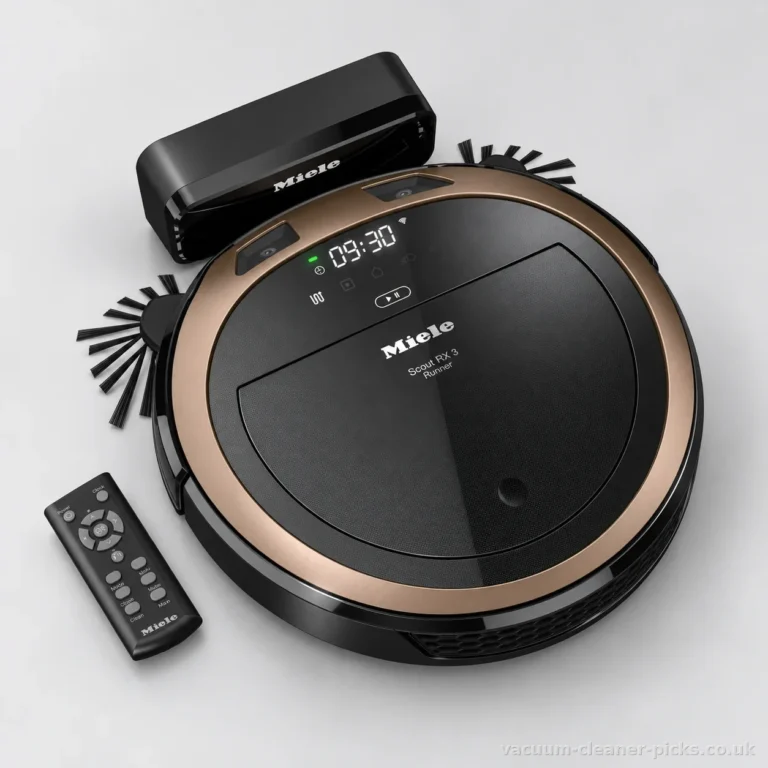
Glossary of vacuum cleaners
Every technical term used on our product pages and in our filters, explained in one sentence. We use the same terms throughout the site: if a word trips you up while filtering vacuum cleaners, you'll find its definition here.
- Vacuum cleaner type
- Cleaning mode
- Power source
- Dust collection
- Use
- Surfaces to clean
- Popular search terms
- Features
- Robot navigation
- Connectivity
- Condition
- Country of manufacture
- Automatic suction adjustment
- Automatic functions of the robot's dock
- Connection of the dock to the water supply and drain
- Rug management by the robot mop
- Map and zone management for the robot
- Edge cleaning by the mop
- Automatic maintenance of the mop roller
- Dust class of the professional vacuum cleaner
- Filter unclogging
- Wet and dry vacuum cleaner tank material
- Compatible pool type
- Compatible pool floor profile
Vacuum cleaner type
The overall shape and design of the machine, which shapes how it's stored, carried, and used around the home.
- Robot
- A self-driving disc-shaped device that cleans on its own while you're away, guided by sensors instead of a handle.
- Upright
- A single tall unit you push forward, combining the motor and floor head in one piece for straightforward cleaning.
- Canister
- A wheeled base unit connected by a hose to a separate floor head, making it easier to reach under furniture and up stairs.
- Handheld
- A small lightweight unit held in one hand, meant for quick spot cleaning rather than whole rooms.
Cleaning mode
The way dirt is actually lifted from the floor, which decides whether the machine only picks up dust or also cleans stains.
- Vacuum
- Dirt and dust are pulled up by suction alone, leaving the floor dry but not treating stains or grime.
- Washer
- Water and a cleaning solution are applied and then extracted, so it can lift stains rather than just surface dust.
- Steam
- Hot vapor is used to loosen dirt and sanitize surfaces without needing a separate cleaning solution.
Power source
Where the machine gets its energy from, which affects how freely it can move and how long a cleaning session can last.
- Cordless
- The machine runs on a rechargeable battery, so it moves freely without being tied to a wall outlet.
- Corded
- The machine plugs into a wall outlet during use, trading freedom of movement for cleaning that never runs out of charge.
Dust collection
How collected dirt is stored inside the machine, which affects how often and how messily you have to empty it.
- With bag
- Dust and debris collect inside a disposable or reusable bag, which you remove and replace without touching the dirt directly.
- Bagless
- Dirt collects in a transparent container you empty directly into the trash, avoiding the cost of replacement bags.
Use
The specific situation or surface the machine is designed for, which determines what kind of mess it can safely handle.
- Car
- Built compact enough to reach seats, footwells, and trunks, for cleaning a vehicle's interior.
- Pool
- Designed to move underwater and remove debris from a pool's floor and walls.
- Ash
- Built with fine filtration and heat-resistant parts to safely collect cold ash from fireplaces or grills.
- Water and dust
- Built to safely pick up both dry debris and spilled liquids without damaging the motor.
- Construction site
- Built to handle heavy debris such as rubble, sawdust, and other tough building-site waste.
- Pets
- Fitted with tools and filters designed to pick up shed fur and reduce allergens from pet hair.
- Furniture
- Reflects the ability to clean furniture surfaces like sofas, mattresses, and cushions, not just floors.
- Height
- Reflects the ability to reach elevated areas like ceilings, curtains, or shelves using an extension wand.
Surfaces to clean
Shows which floor and surface types the machine is designed to handle well, so you can match it to your home.
- Hard floors
- Covers smooth flooring such as wood, tile, or vinyl, where a gentler brush avoids scattering dust and debris.
- Tile
- A hard, often uneven flooring whose grout lines can trap dirt that needs stronger suction to lift out.
- Hardwood floors
- A delicate wood surface that benefits from softer brush rollers to avoid scratches while still picking up dust.
- Rugs
- Lightweight woven floor coverings that can bunch up or get pulled into a vacuum without adjustable suction.
- Carpet
- A thick, fibered floor covering that needs stronger suction and a spinning brush to pull out embedded dirt.
- Sofa
- Upholstered furniture that needs a small attachment to reach crevices and lift dust from fabric surfaces.
Popular search terms
Groups models by the phrases shoppers commonly search for, helping you find options matching a familiar description.
- Robot vacuum
- Matches listings for machines that clean floors automatically without you pushing or steering them.
- Robot vacuums
- The plural phrasing of the same search, used when comparing several automatic floor-cleaning machines.
- Pro robot vacuum
- Matches higher-tier automatic cleaners that often add smarter navigation, stronger suction, or self-emptying docks.
- Cordless vacuum
- Matches battery-powered cleaners with no cord, so you can carry them freely from room to room.
- Kaercher vacuum
- Matches products from a specific manufacturer known for pressure washers and cleaning appliances.
- Dream vacuum
- Reflects an aspirational search for an ideal do-everything cleaner rather than one specific model.
- Bissel vacuum mop
- Matches combination tools from a specific manufacturer that vacuum and mop the floor in one pass.
- Bakery vacuum
- Matches heavy-duty vacuums suited to clearing flour and food dust in commercial kitchens or bakeries.
Features
Lists extra tools and functions built into the machine beyond basic suction, such as attachments or brushes.
- Built-in handheld vacuum
- A small detachable unit built into the main body, useful for stairs, car seats, or tight spots.
- Flexible hose
- A bendable tube that extends reach to ceilings, corners, and furniture without moving the whole machine.
- Motorized brush
- A separately powered spinning brush head that agitates carpet fibers to lift out embedded dirt.
- Tangle-free brush
- Combs hair away from the roller as it spins, so it doesn't wrap around and clog the brush.
- Brush light
- An LED on the cleaning head lights up the floor so hidden dust and debris become visible while cleaning.
- Display
- A small screen shows battery level, mode and alerts, so status checks don't require the phone app.
- Wall-mounted station
- A charging dock fixed to the wall that stores the vacuum and its accessories off the floor, freeing up space.
Connectivity
Whether the device links to a home network and app, enabling remote control, scheduling and usage tracking from a phone.
- Connected
- The device links to a wifi network and companion app, allowing control, scheduling and monitoring from a smartphone.
- Not connected
- The device works entirely on its own controls, with no wifi link or smartphone app required.
Condition
Whether the item is brand new, restored or previously owned, which affects price and expected wear.
- New
- The item is unused and comes in its original packaging with full manufacturer warranty.
- Refurbished
- The item was previously returned or used, then inspected, repaired if needed, and analysed before resale.
- Used
- The item has already been owned and used by someone else and is sold as is, without restoration.
Country of manufacture
Where the appliance was physically assembled, which can influence quality expectations, shipping distance and environmental footprint.
- France
- The appliance's parts were assembled together in France.
- Europe excluding France
- The appliance was assembled somewhere else in Europe, but not in France.
- Outside Europe
- The appliance was assembled somewhere outside Europe, often meaning a longer supply chain.
Automatic suction adjustment
Whether the vacuum adapts its power on its own during cleaning, instead of requiring manual mode switching.
- Based on floor type
- The vacuum senses the surface, such as carpet or hard floor, and adjusts suction strength automatically.
- Based on the amount of dirt
- The vacuum detects how much dust or debris is present and increases suction automatically in dirtier spots.
Automatic functions of the robot's dock
Whether the docking station handles maintenance tasks automatically between runs, reducing how much upkeep falls on the owner.
- Dustbin emptying
- Lets the dock suck debris out of the robot's bin into a larger bag, so you empty it far less often.
- Water tank refilling
- Lets the dock refill the robot's clean water tank on its own, so mopping sessions don't stop partway through.
- Washing of the mop pads or roller
- Lets the dock rinse the mop pads or roller between passes, so you don't handle dirty, smelly cloths yourself.
- Hot air drying
- Blows warm air onto the mop after washing so it dries instead of sitting damp and starting to smell.
- Detergent dosing
- Lets the dock add a measured dose of cleaning solution to the mop water automatically for each session.
Connection of the dock to the water supply and drain
Determines whether the dock can fill and empty its own water tanks by itself or whether you do it by hand.
- Not compatible
- The dock has no way to hook up to household plumbing, so you fill and empty its tanks yourself.
- Compatible with optional kit
- The dock can be plumbed into the water supply and drain, but only after fitting a separate accessory sold apart.
- Kit included
- The dock comes ready to plumb into the water supply and drain without buying any extra accessory.
Rug management by the robot mop
Determines whether the robot recognizes rugs and adapts its cleaning so mopping them doesn't leave carpets soaked.
- Automatic suction increase
- Makes the robot boost its suction power on its own when it senses it has moved onto a rug.
- Automatic mop pad lifting
- Raises the wet mop pad off the floor when the robot crosses a rug, so the carpet stays dry.
- Rug avoidance
- Makes the robot steer around rugs entirely during mopping so it never wets carpeted areas.
Map and zone management for the robot
Determines how much control you have over where the robot cleans and how it remembers your home's layout.
- Multiple saved maps
- Lets the robot store separate layouts for different floors or homes, so it doesn't have to remap each time.
- No-go zones
- Lets you mark areas on the map the robot must always skip, such as around pet bowls or loose cables.
Edge cleaning by the mop
Determines how well the mop reaches into corners and along walls instead of leaving a gap near edges.
- One side
- The mop can extend to clean along walls on only one side of the robot, leaving the other edge less covered.
- Two sides
- The mop can extend to clean along walls on both sides of the robot, reaching more edges in a single pass.
- Three sides
- The mop can extend on three sides of the robot, covering corners and edges more thoroughly than a basic design.
Automatic maintenance of the mop roller
Determines how much scrubbing and upkeep of the mop roller you have to do yourself between cleaning sessions.
- Self-cleaning
- The dock scrubs and rinses the mop roller on its own after each run, so you rarely need to clean it by hand.
- Hot water washing
- Rinses the mop pad with heated water after each cleaning cycle, dissolving grease and grime that cold water alone would leave behind.
- Hot air drying
- Blows warm air onto the mop after washing so it dries instead of sitting damp and starting to smell.
Dust class of the professional vacuum cleaner
Indicates which level of hazardous dust a machine can safely capture and expel without endangering the operator's health.
- L
- Marks a machine intended only for dust considered a low health risk, such as ordinary construction debris.
- M
- Marks a machine built to safely handle dust posing a moderate health risk, like mineral or wood particles.
- H
- Marks a machine certified to capture dust considered highly hazardous or carcinogenic, such as asbestos fibers.
Filter unclogging
Determines whether the machine restores suction automatically as the filter fills with dust, or requires the user to intervene.
- No built-in unclogging
- Means suction weakens as the filter clogs and the user must remove and clean it by hand to restore performance.
- Semi-automatic
- Lets the user trigger a cleaning action, such as a shake or knock, that clears the filter without fully removing it.
- Automatic
- Clears the filter on its own during use, keeping suction steady without any action from the user.
Wet and dry vacuum cleaner tank material
Affects how well the tank resists corrosion, impact, and heavy daily use over the years.
- Plastic
- Keeps the machine lighter and cheaper, though it can crack on impact and may stain over time.
- Stainless steel
- Adds weight and cost but resists dents, corrosion, and staining far longer than lighter materials.
Compatible pool type
Determines which pool structures the cleaner can safely navigate without damaging the walls or getting stuck.
- In-ground
- Fits pools built into the ground with fixed, permanent walls and a solid surrounding structure.
- Semi in-ground
- Fits pools partly set into the ground and partly raised above it, combining features of both structures.
- Above-ground with rigid walls
- Fits freestanding pools with solid, self-supporting panels rather than a flexible liner alone.
- Above-ground with flexible walls
- Fits freestanding pools held up by an inflatable ring or frame with a soft, flexible liner.
Compatible pool floor profile
Determines whether the cleaner can follow the pool bottom's shape without losing traction or getting stuck.
- Flat floor
- Fits pools with a level bottom of consistent depth throughout.
- Gentle slope
- Fits pools whose floor descends gradually from the shallow end to the deep end.
- Combined slopes
- Fits pools whose floor changes slope more than once, mixing gentle and steep sections.
- Diving pit
- Fits pools with a sharply deeper section built for diving, distinct from the rest of the floor.
- Diamond point
- A filter criterion in the “Compatible pool floor profile” category.